How to Reuse an Old Traffic Exchange Ad Without Carrying Over Its Claims
This January 2018 article originally discussed how advertisers use curiosity to attract attention. One lesson still holds: a headline can make people want to know more. The next step is to give them a clear, current promise. An old traffic exchange promotion may have a headline worth learning from or a clear way of presenting an offer. The same ad may promise a reward that ended years ago or send readers through a link you no longer control. Before you use the idea in a campaign on SurfAholics TE or Wall Street TE, take the ad apart and rebuild it around the current offer.
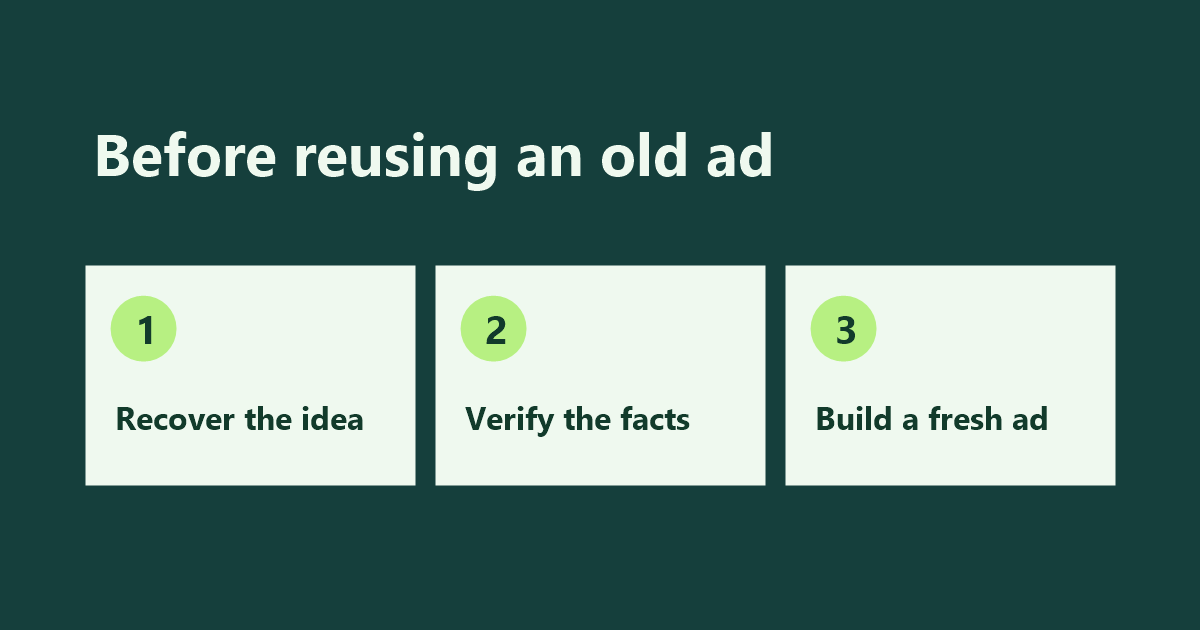
Recover the idea behind the ad
Read the headline, artwork and call to action together. What made the message easy to follow? Perhaps it named exactly who would benefit, showed the resource in use or gave readers one clear action. Write down that technique in a sentence. For example, “Show a sample page so readers can see what the checklist covers.” That sentence gives you something to work with even if the old checklist and artwork are gone.
Make a list of claims that need a fresh check
Circle every deadline, reward, price, partner name and instruction in the original. Check each one against the current offer and destination you actually plan to use. If you cannot verify a detail, leave it out. Read the image as closely as the text. A retired badge, an old date or a screenshot showing a feature that moved can create the same expectation as a line in the headline.
Make a clean copy of the ad
Start a fresh file. Use an image you made or have permission to reuse. Write the benefit in plain language, then name the action the visitor can take today. An older ad might have invited readers to claim a weekend bonus and linked to a dated event page. If your current offer is a free planning worksheet, try “Plan your next traffic exchange campaign with a one-page worksheet” and send readers straight to the page that explains the worksheet. Leave the old badge and destination out of the new file.
Follow the path a visitor will take
Open the exact link from the rebuilt ad while signed out. Look for the promise in the first part of the destination page, check the next step, and repeat at phone width. If you need to leave the campaign paused while you correct the landing page, record which ad and URL are waiting. Once the path works, try a limited allocation and note the reader action you wanted to see. Save the final ad, URL and review date together so the next update starts from the version visitors actually saw.
Keep the older announcement as historical context wherever it remains archived. The Advertising & Traffic hub points to current platform resources and historical coverage. Use that distinction when deciding which ideas to carry into a live campaign.